Summarise this article with AI
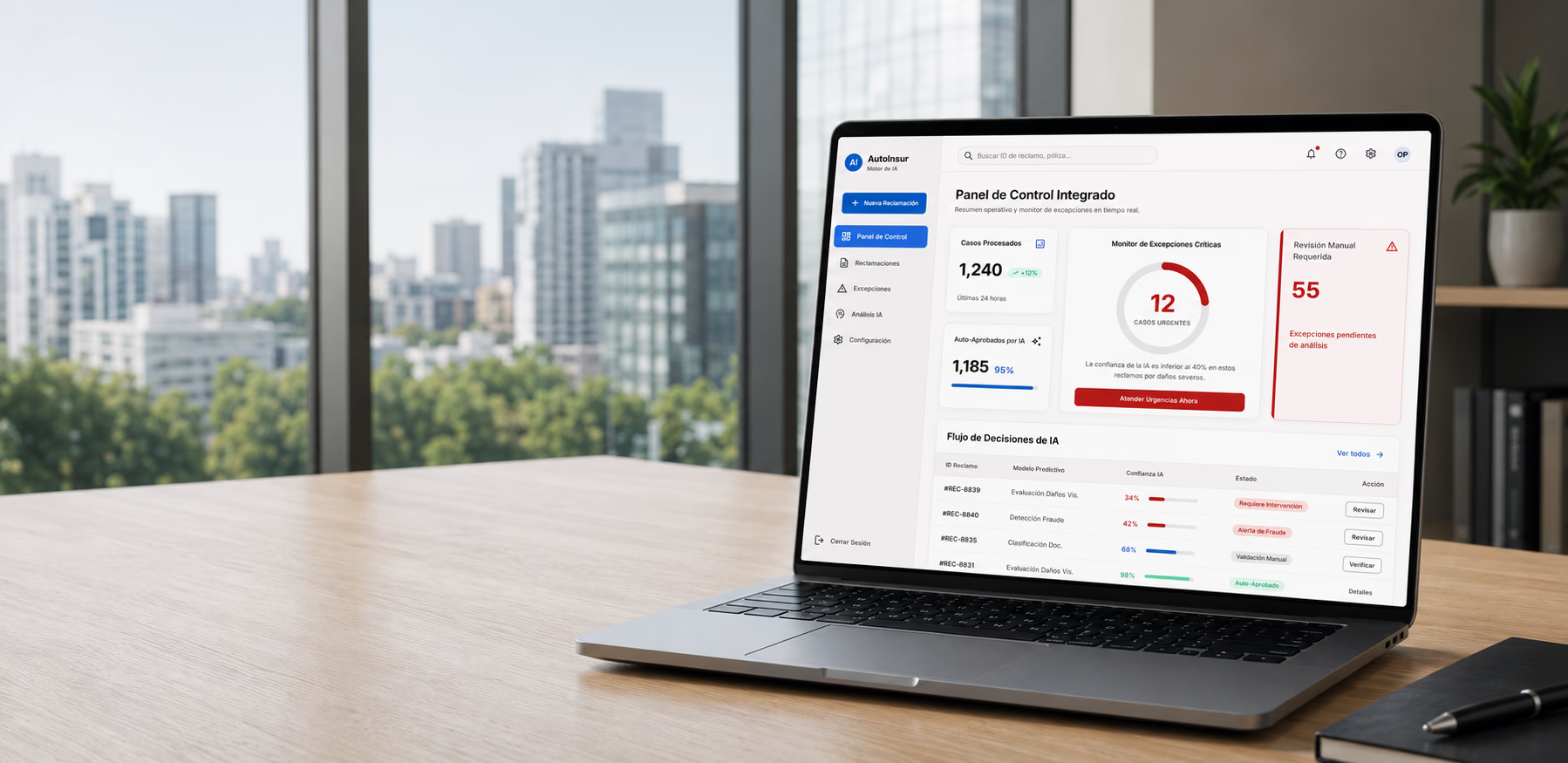
Datos de contexto: 95% de expedientes pre-analizados automáticamente · –75% en tiempo de resolución · –40% en costo por siniestro.
Resumen ejecutivo
Un agente de IA en garantías extendidas es un sistema que interpreta expedientes de siniestros de forma autónoma — cruza documentación, valida criterios de negocio, detecta inconsistencias y determina la resolución del caso — sin intervención humana en cada paso. Los operadores con esta capacidad resuelven siniestros un 75% más rápido y reducen el costo por expediente entre un 30% y un 40% (Deloitte, 2026). En Suris desarrollamos dos agentes especializados para la industria de garantías extendidas: uno para el procesamiento automático de liquidaciones de servicios técnicos y otro para la determinación de resolución de siniestros.
Hay un problema que toda empresa de garantías extendidas conoce bien pero pocas resuelven bien: el expediente. Cada siniestro denunciado genera un expediente con múltiples documentos — órdenes de trabajo, facturas, conformidades, respaldos en distintos formatos, información del proveedor, historial del producto. Alguien tiene que revisar todo eso antes de aprobar, observar o escalar el caso.
Cuando el volumen es bajo, ese proceso funciona. Cuando el volumen crece, la única respuesta que encontró la industria durante décadas fue contratar más personas. Eso no escala — y genera otro problema: el criterio operativo queda distribuido informalmente entre las personas que más saben, sin documentación, sin trazabilidad y con el riesgo constante de inconsistencia.
Los agentes de IA resuelven este problema desde la raíz. No aceleran el proceso manual — lo redesignan.
Qué es un agente de IA y por qué cambia el modelo operativo
Un agente de IA es un sistema que puede interpretar información no estructurada, razonar sobre ella, aplicar criterios de negocio y tomar decisiones — o escalar con contexto cuando la decisión requiere criterio humano. A diferencia de la automatización por reglas rígidas, el agente no ejecuta un flujo predefinido: entiende el caso completo y actúa en consecuencia.
En el contexto de garantías extendidas, esa distinción es crítica. Los expedientes no llegan en formato estándar. Cada servicio técnico envía su documentación de manera diferente — PDFs escaneados, imágenes, archivos renombrados, órdenes en distintos layouts. Las reglas de negocio cambian según el tipo de producto, el tipo de siniestro y el proveedor. Y el criterio operativo real acumula excepciones que nunca fueron formalizadas.
La IA generativa podría desbloquear entre USD 50.000 y 70.000 millones en ingresos adicionales para la industria aseguradora. Los líderes en IA en seguros están generando 6,1 veces el retorno accionario total de sus pares rezagados — una brecha que se amplía, no se reduce.
— McKinsey & Company · The Future of AI in the Insurance Industry, 2026
Según Deloitte, el 90% de los líderes de la industria aseguradora reconoce la necesidad de reinventar cómo se trabaja para la IA — pero solo el 25% tomó acción significativa. Las implementaciones de IA agéntica en siniestros ya están entregando reducciones del 40% en los tiempos de ciclo de procesamiento. El gasto en IA en seguros crecerá más del 25% en 2026, con el mercado global proyectado a crecer a una tasa anual del 32,3% hasta 2035.
Los dos casos de Suris en garantías extendidas
En Suris desarrollamos dos agentes especializados para la industria de garantías extendidas. Son casos distintos — resuelven problemas distintos en etapas distintas del ciclo operativo — pero comparten la misma arquitectura de base: agentes que entienden expedientes completos, procesan documentación no estructurada y operan bajo un modelo de revisión por excepción.
- Caso 01 · Procesamiento automático de liquidaciones de servicios técnicos. El agente recibe las liquidaciones que presentan los servicios técnicos ante siniestros denunciados, cruza la documentación respaldatoria, valida importes y criterios, y aprueba, observa o escala cada expediente automáticamente.
- Caso 02 · Determinación automática de resolución de siniestros. El agente analiza el expediente completo del siniestro y determina si corresponde reemplazo del producto, reparación o indemnización al titular, según los criterios de negocio y la cobertura vigente.
Caso 1: procesamiento automático de liquidaciones
El problema original
Una empresa de seguros y garantías extendidas con alto volumen de liquidaciones provenientes de servicios técnicos. Cada expediente llegaba con múltiples documentos: órdenes de trabajo, facturas, documentación respaldatoria, conformidades y adjuntos en distintos formatos. La documentación ingresaba de forma heterogénea — PDFs escaneados, imágenes, archivos sin estándar de nomenclatura, respaldos con criterios distintos según el proveedor.
El equipo operativo revisaba cada expediente manualmente antes de aprobar, observar o escalar. La validación dependía de múltiples controles: cruzar importes, verificar documentación, detectar inconsistencias y aplicar reglas que cambiaban según el tipo de servicio. Pero el problema principal no era el volumen.
Gran parte del criterio operativo nunca había sido formalizado. Existían excepciones que dependían de quién revisaba el expediente, reglas que vivían en la experiencia de pocas personas y criterios distintos según el tipo de servicio técnico. Escalar el proceso implicaba aumentar el esfuerzo operativo y mantener conocimiento crítico distribuido informalmente dentro del equipo.
La solución
Construimos un agente de validación documental que opera sobre el expediente completo. No automatizamos pasos aislados: el agente interpreta el caso end-to-end, cruza órdenes de trabajo con facturas y documentación respaldatoria, valida criterios de negocio y genera observaciones automáticas cuando detecta inconsistencias.
Flujo del agente de liquidaciones:
- Ingreso del expediente. El agente recibe la liquidación del servicio técnico en cualquier formato — PDF, imagen, escaneado — sin requerir estandarización previa.
- Interpretación documental. Extrae información de todos los documentos del expediente: importes, fechas, tipos de servicio, piezas reemplazadas, conformidades del titular.
- Validación cruzada. Cruza la información extraída contra los criterios de negocio: cobertura, topes de liquidación, tipo de servicio habilitado, consistencia entre documentos.
- Aprobación automática. Si el expediente cumple todos los criterios, el agente aprueba la liquidación y la registra con trazabilidad completa. Sin intervención humana.
- Escalado por excepción. Si detecta inconsistencias o ambigüedades, escala el expediente al operador con el contexto ya analizado y las observaciones redactadas. El operador decide sobre un caso ya trabajado.
Lo que descartamos — y por qué importa
Evaluamos antes una automatización basada únicamente en reglas rígidas y flujos tradicionales. Hubiese funcionado para escenarios simples, pero el proceso dependía demasiado de documentación variable y criterio implícito distribuido en el equipo operativo.
También descartamos exigir a los servicios técnicos que cambien cómo envían la documentación. Resolver el problema obligando cambios en terceros agrega más fricción que valor — y en la práctica nunca ocurre de forma completa. La solución se adaptó a cómo ya trabajaban los terceros, sin pedirles nada.
Caso 2: determinación automática de resolución de siniestros
El problema
Cuando un titular denuncia un siniestro en una garantía extendida, alguien tiene que determinar qué corresponde: ¿se reemplaza el producto, se repara o se indemniza al titular? Esa decisión no es trivial. Depende del tipo de producto, la naturaleza del daño, el historial de reparaciones previas, la cobertura vigente, los umbrales económicos de la operación y las reglas de negocio aplicables a ese tipo de siniestro.
En operaciones de alto volumen, esa decisión se toma decenas o cientos de veces por día. Cada vez que la toma una persona, hay variabilidad. Cada vez que la toma una persona distinta, hay más variabilidad todavía. Y cuando el criterio no está formalizado, escalar la operación significa escalar la inconsistencia.
La solución
El agente de resolución de siniestros recibe el expediente completo — denuncia del titular, historial del producto, cobertura vigente, documentación del daño — y determina la resolución que corresponde según los criterios de la operación.
Variable analizada | Qué evalúa el agente | Impacto en la resolución |
|---|---|---|
Naturaleza del daño | Tipo de falla, origen, evidencia documental | Determina si aplica cobertura |
Historial de reparaciones | Cantidad y tipo de intervenciones previas | Define si corresponde reemplazo por reincidencia |
Cobertura vigente | Fecha de inicio, vencimiento, exclusiones | Valida si el siniestro está cubierto |
Umbral económico | Costo estimado de reparación vs. valor del producto | Define si conviene reparar o reemplazar |
Reglas específicas del producto | Condiciones particulares según categoría | Aplica criterios diferenciados por tipo |
Resultado | Reemplazo / Reparación / Indemnización — con fundamentación automática |
Cuando el caso encaja claramente en los criterios, el agente determina la resolución y la registra con la fundamentación completa. Cuando el caso es ambiguo, lo escala al operador con el análisis ya hecho — lo que reduce el tiempo de decisión incluso en los casos complejos.
Por qué funcionó: las decisiones que hicieron la diferencia
Construir un agente de IA que realmente opera en producción — no uno que funciona en demo — requiere resolver problemas que no aparecen en los casos teóricos. Estas son las decisiones que determinaron el resultado en ambos proyectos:
- Entender el expediente completo, no pasos aislados. La tentación en automatización es atacar el paso más simple primero. En garantías extendidas, el valor está en interpretar el caso completo — porque las inconsistencias no aparecen en un documento sino en la relación entre documentos.
- Formalizar el criterio implícito durante el proyecto. En ambos casos, parte del trabajo fue identificar y documentar reglas operativas que vivían en la cabeza del equipo. Ese proceso de formalización tiene valor independientemente del agente: el conocimiento que antes dependía de personas individuales quedó documentado y disponible.
- El humano interviene cuando aporta criterio, no como revisor de rutina. El modelo de revisión por excepción no es una concesión — es el diseño correcto. Poner al operador a revisar los casos que requieren juicio humano y liberar su tiempo de los casos simples es la combinación que genera más valor.
- Adaptarse al proveedor, no al revés. No exigir cambios en cómo los servicios técnicos envían documentación fue una decisión estratégica. En la práctica, los cambios en terceros rara vez se implementan completamente. La solución que se adapta a la realidad existente es la que tiene posibilidades de funcionar a escala.
Suris Code · Resultado del proyecto
De expediente por expediente a revisión por excepción
95% de expedientes pre-analizados automáticamente
100% del criterio operativo formalizado y documentado
0 cambios requeridos a proveedores externos
Automatización por reglas vs. agentes de IA: cuándo usar cada uno
No todo proceso de garantías extendidas requiere agentes de IA. La elección entre automatización por reglas y agentes depende de la naturaleza del proceso:
Característica | Automatización por reglas | Agentes de IA |
|---|---|---|
Documentación | Estructurada y estandarizada | Heterogénea, no estructurada |
Criterio de negocio | Formalizado y estable | Implícito, variable, con excepciones |
Volumen de escenarios | Acotado y predecible | Alto y variable |
Costo de mantenimiento | Alto cuando el negocio cambia | Adaptable sin reprogramar |
Garantías extendidas | Funciona para validaciones simples y aisladas | Necesario para expedientes completos con documentación variable |
El contexto del mercado: lo que está pasando en la industria
Según Copperberg, en 2026 la IA en gestión de garantías va más allá de procesar reclamos más rápido — se convierte en inteligencia de decisión. Los sistemas pueden razonar sobre la póliza, predecir fallas y actuar como adjudicadores digitales a lo largo del ciclo de vida de la garantía.
Un procesador de reclamos manual maneja entre 15 y 25 expedientes por día. Con agentes de IA, el mismo equipo puede gestionar 3 a 5 veces ese volumen sin incremento de recursos — lo que convierte a la automatización en la palanca de escala más inmediata disponible para operadores de garantías extendidas. PwC señala que el 86% de las organizaciones aseguradoras planea aumentar su inversión en IA en 2026, con IA generativa y agéntica encabezando la lista de prioridades.
McKinsey documenta que Aviva desplegó más de 80 modelos de IA en su dominio de siniestros, ahorrando más de £60 millones y reduciendo los tiempos de evaluación de responsabilidad compleja en 23 días. La brecha entre los líderes en IA y los rezagados en la industria aseguradora se mide hoy en resultados financieros concretos — no en intenciones.
Una observación del campo
Los agentes no reemplazan procesos desordenados. Los exponen. Cuanto más dependen las decisiones de criterios implícitos o excepciones no documentadas, más visible se vuelve el problema cuando intentás automatizarlo. Ese momento de exposición es incómodo — pero también es la oportunidad de formalizar el conocimiento operativo que la organización venía acumulando informalmente durante años.
En ambos proyectos de garantías extendidas, el proceso de construir el agente terminó siendo también un proceso de documentación del negocio. Eso tiene valor independiente del software que entregamos.
Preguntas frecuentes sobre agentes de IA en garantías extendidas
¿Qué es un agente de IA en el contexto de garantías extendidas?
Un agente de IA en garantías extendidas es un sistema que interpreta expedientes de siniestros de forma autónoma — cruza documentación, valida criterios de negocio, detecta inconsistencias y determina la resolución del caso — sin intervención humana en cada paso. A diferencia de la automatización por reglas rígidas, el agente entiende el caso completo, procesa documentación no estructurada y escala al operador solo cuando el caso requiere criterio humano.
¿Qué diferencia hay entre automatización por reglas y agentes de IA para siniestros?
La automatización por reglas funciona bien en escenarios predecibles y documentación estandarizada. Los agentes de IA manejan documentación heterogénea, criterios implícitos no formalizados y excepciones variables según el tipo de siniestro. En garantías extendidas, donde cada servicio técnico envía información en formatos distintos y las reglas cambian según el tipo de producto, los agentes superan ampliamente a las reglas rígidas.
¿Qué es el modelo de revisión por excepción?
Es el modelo operativo donde el equipo humano deja de revisar todos los expedientes y pasa a intervenir solo en los casos que el agente de IA identifica como complejos, ambiguos o de alto valor. Los expedientes simples se procesan y resuelven automáticamente. El operador recibe los casos de excepción ya analizados, con el contexto y las observaciones del agente redactadas, lo que reduce el tiempo de decisión incluso en los casos complejos.
¿Cómo determina el agente si corresponde reemplazo, reparación o indemnización?
El agente analiza el expediente completo del siniestro: el tipo de producto, la naturaleza del daño, el historial de reparaciones previas, la cobertura vigente, las reglas de negocio aplicables y los umbrales económicos definidos por la operación. Con esa información, determina la resolución que corresponde según los criterios de la empresa. Cuando el caso no encaja claramente en ningún criterio, lo escala con el análisis ya hecho.
¿Cuánto puede reducir el tiempo de procesamiento de siniestros la IA?
Los datos de Deloitte e implementaciones documentadas por McKinsey muestran que los operadores con IA en procesamiento de siniestros resuelven reclamos un 75% más rápido — de 30 días a 7,5 días en promedio — con reducciones de costo por expediente del 30 al 40%. En el caso de Suris, el 95% de los expedientes se pre-analizan automáticamente antes de pasar por un operador.
Frequently asked questions
¿Qué es un agente de IA en el contexto de garantías extendidas?
Un agente de IA en garantías extendidas es un sistema que interpreta expedientes de siniestros de forma autónoma — cruza documentación, valida criterios de negocio, detecta inconsistencias y determina la resolución del caso — sin intervención humana en cada paso. A diferencia de la automatización por reglas rígidas, el agente entiende el caso completo, procesa documentación no estructurada y escala al operador solo cuando el caso requiere criterio humano.
¿Qué diferencia hay entre automatización por reglas y agentes de IA para siniestros?
La automatización por reglas funciona bien en escenarios predecibles y documentación estandarizada. Los agentes de IA manejan documentación heterogénea, criterios implícitos no formalizados y excepciones variables según el tipo de siniestro. En garantías extendidas, donde cada servicio técnico envía información en formatos distintos y las reglas cambian según el tipo de producto, los agentes superan ampliamente a las reglas rígidas.
¿Qué es el modelo de revisión por excepción?
Es el modelo operativo donde el equipo humano deja de revisar todos los expedientes y pasa a intervenir solo en los casos que el agente de IA identifica como complejos, ambiguos o de alto valor. Los expedientes simples se procesan y resuelven automáticamente. El operador recibe los casos de excepción ya analizados, con el contexto y las observaciones del agente redactadas, lo que reduce el tiempo de decisión incluso en los casos complejos.
¿Cómo determina el agente si corresponde reemplazo, reparación o indemnización?
El agente analiza el expediente completo del siniestro: el tipo de producto, la naturaleza del daño, el historial de reparaciones previas, la cobertura vigente, las reglas de negocio aplicables y los umbrales económicos definidos por la operación. Con esa información, determina la resolución que corresponde según los criterios de la empresa. Cuando el caso no encaja claramente en ningún criterio, lo escala con el análisis ya hecho.
¿Cuánto puede reducir el tiempo de procesamiento de siniestros la IA?
Los datos de Deloitte e implementaciones documentadas por McKinsey muestran que los operadores con IA en procesamiento de siniestros resuelven reclamos un 75% más rápido — de 30 días a 7,5 días en promedio — con reducciones de costo por expediente del 30 al 40%. En el caso de Suris, el 95% de los expedientes se pre-analizan automáticamente antes de pasar por un operador.
Written by
Pablo Mazzucco
Chief Engineering & Delivery Officer
Pablo Mazzucco es Chief Engineering & Delivery Officer de Suris Code y uno de los pilares fundadores de la empresa, el motor detrás de su columna técnica y operativa. Con más de 15 años de experiencia en desarrollo de software, arquitectura de sistemas y gestión de entregas, lidera los equipos de ingeniería sin perder el compromiso hands-on con la calidad, la escalabilidad y los resultados del cliente. Su rol dual —al frente tanto de la ingeniería como de la ejecución de proyectos— garantiza que cada solución de Suris Code se construya sobre bases sólidas y se entregue con precisión.